


Serious runners often incorporate weekly interval training to build speed and anaerobic capacity. These sessions involve high-intensity bursts that engage fast-twitch muscles not heavily used in Long Slow Distance (LSD) runs, placing significant stress on the feet, including the plantar fascia and toes. While intervals can boost performance, they heighten injury risk if not managed properly.

The Hidden Risks: What Research Reveals About Interval Stress
A systematic review on the acute effects of interval training on running kinematics found that high-intensity sessions lead to significant changes in stride mechanics, such as increased ground reaction forces and altered foot strike patterns, which can exacerbate foot strain. Specifically, the review analyzed studies showing that intervals at near-maximal speeds cause acute fatigue in lower limb structures, potentially leading to overuse injuries like plantar fasciitis or metatarsal stress if recovery is inadequate.
Another study examining high-intensity interval training (HIIT) in runners reported a higher incidence of lower extremity injuries, particularly in recreational and professional runners, due to the rapid acceleration and deceleration phases that overload the foot's supportive tissues. The researchers noted that 20–30% of participants experienced foot-related issues, emphasizing the need for gradual progression, proper warm-ups, and post-session recovery protocols to mitigate risks.
A comprehensive analysis of training errors and running-related injuries linked excessive intensity in sessions like intervals to a 2–3 times higher injury rate, with foot problems accounting for up to 25% of cases. Key precautions include: monitoring weekly volume (avoiding sudden spikes over 10% from prior weeks), incorporating dynamic warm-ups to prepare foot muscles, using supportive footwear during high-speed efforts, and allowing 48–72 hours of recovery between intense sessions to prevent cumulative fatigue in the plantar area and toes.
Research on foot-core training further supports targeted interventions, showing that strengthening intrinsic foot muscles reduces running-related injury risk by 2.4 times in recreational runners over 4–8 months. This is particularly relevant for intervals, where rapid force application stresses the foot's arch and toes.

Toe-Rx: Effective Maintenance for Interval Training Recovery
Toe-Rx toe spacers are an ideal tool for maintaining foot health during interval-heavy training blocks. By spreading the toes and enabling active gripping exercises, Toe-Rx directly addresses the kinematic changes and fatigue highlighted in the studies, restoring natural alignment and strengthening the foot core to better handle high-speed stresses. Post-interval use (10–15 minutes) promotes recovery by reducing plantar tension and improving toe mobility, helping prevent the overload injuries common in speed work. Runners who integrate Toe-Rx report enhanced foot resilience, allowing consistent high-intensity sessions without downtime.
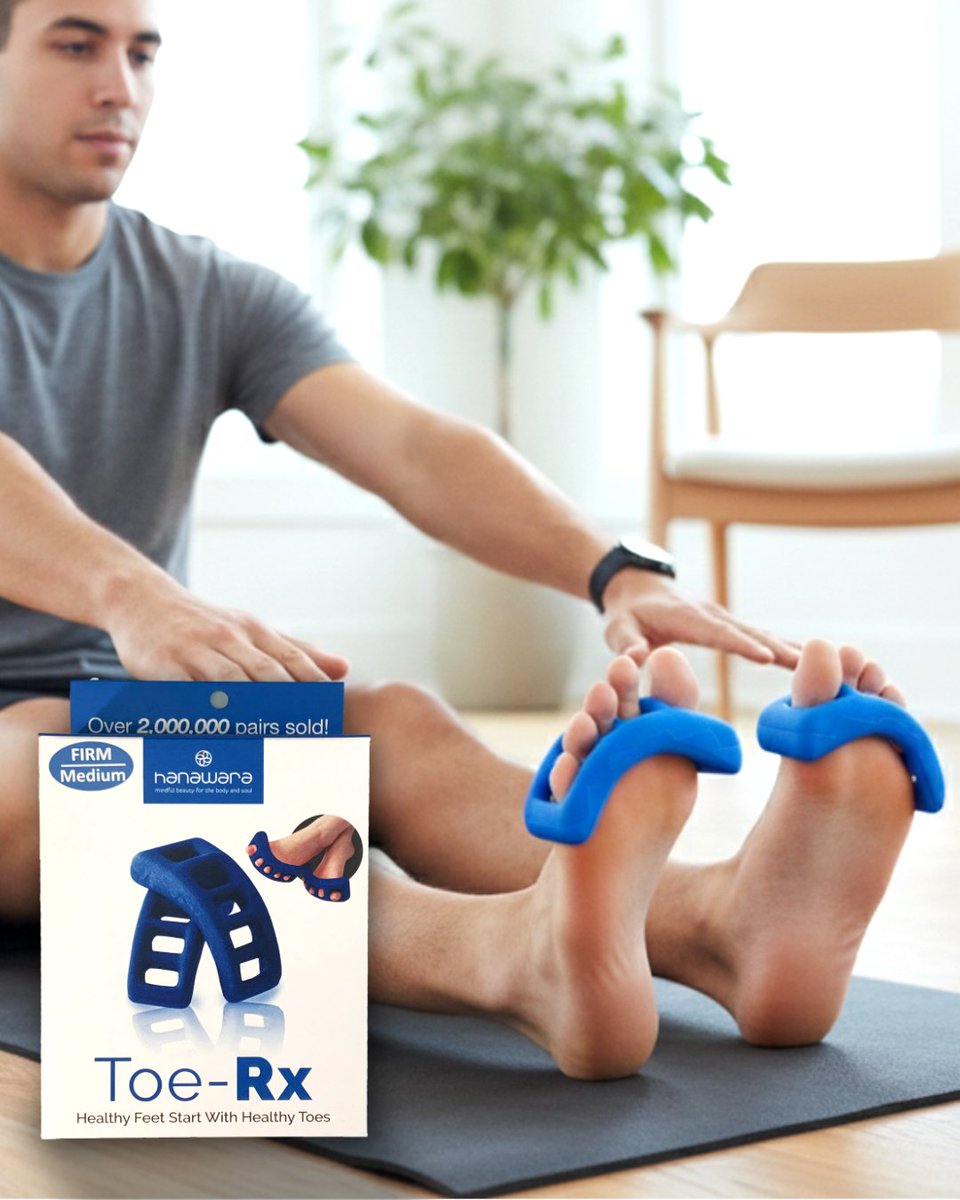
Stay fast and stay healthy—add Toe-Rx to your interval routine:
References:
-
Acute effects of interval training on running kinematics:
-
HIIT injuries in runners:
-
Training errors and running-related injuries:
These statements have not been evaluated by the FDA. This product is not intended to diagnose, treat, cure, or prevent any disease.

