


Weekend warriors and serious marathon trainers know the ritual: a long, steady LSD (Long Slow Distance) run to build endurance. These sessions are essential for aerobic base, but they take a real toll on your feet. After 20–30 km (12–18 miles) of repetitive pounding, many runners feel heavy soreness, arch fatigue, or even early signs of plantar fasciitis that linger into the week.
Scientific research confirms this isn't just "normal tiredness." A key study on the acute effects of long-distance running showed that prolonged running causes transient mechanical fatigue in the plantar fascia (PF) – the thick band supporting your medial longitudinal arch.
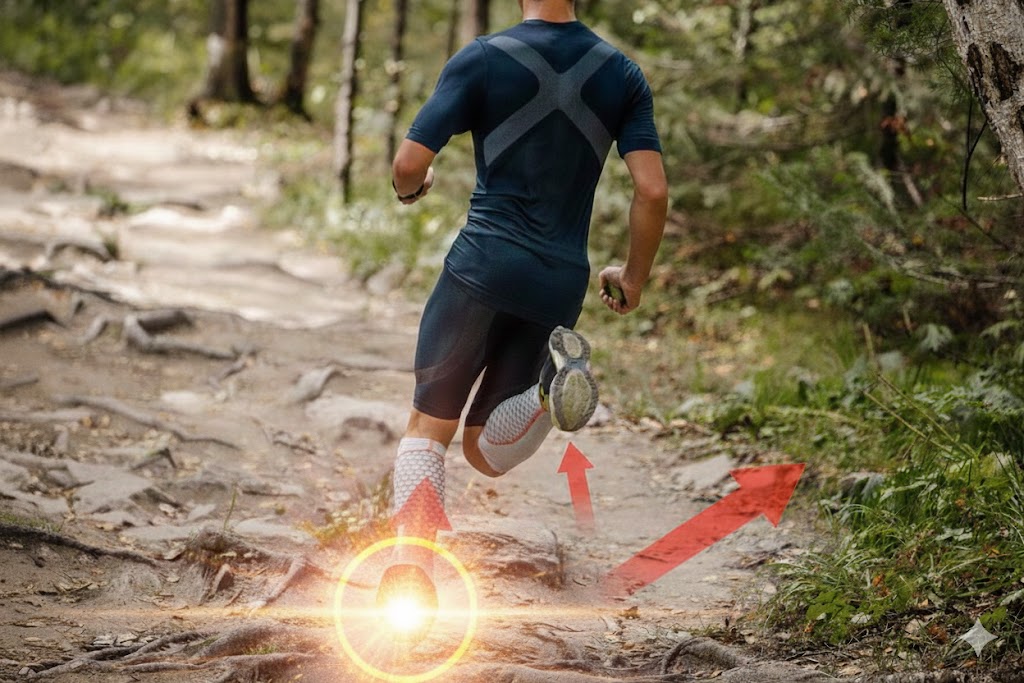
In the study "Acute effects of long-distance running on mechanical and morphological properties of the human plantar fascia" (Shiotani et al., Scandinavian Journal of Medicine & Science in Sports, 2020), researchers tested trained runners and untrained individuals before and after a long-distance run. Key findings:
-
Plantar fascia stiffness decreased significantly (especially at the proximal site near the heel), reflecting mechanical fatigue and microscopic tissue strain.
-
This led to transient lowering of the foot arch height (navicular drop and reduced arch height ratio).
-
Changes were site-specific and correlated directly: reduced PF stiffness explained ~70% of arch flattening.
-
Thickness increased slightly (possible mild swelling), but stiffness reductions persisted for up to 60 minutes post-run.
This fatigue happens because the plantar fascia absorbs massive repetitive loads during LSD – up to several times body weight per step. Over hours, it loses elasticity, forcing the arch to collapse more and increasing stress on surrounding muscles and tissues. If recovery is poor, this can snowball into chronic issues like plantar fasciitis, especially in high-mileage weeks.
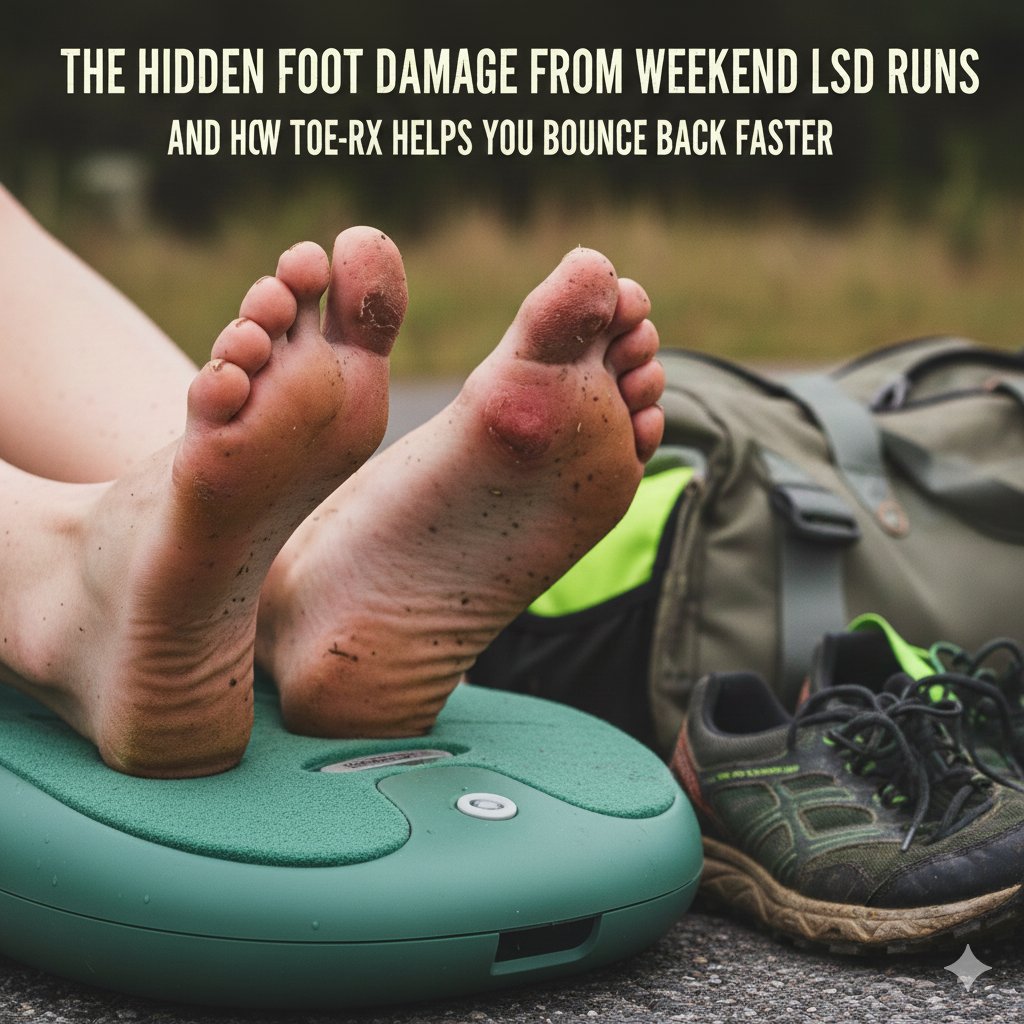
Why Toe-Rx Is Perfect for Post-LSD Recovery
Toe-Rx toe spacers directly target this problem by restoring natural toe alignment and actively training the intrinsic foot muscles that support the plantar fascia and arch.
-
Spreading the toes counteracts compression from shoes and running, promoting better PF stretch and reducing proximal strain (exactly where the study found most fatigue).
-
Active gripping strengthens the "foot core" (intrinsic muscles), helping maintain arch stiffness and resilience – preventing the fatigue-induced drop seen in the research.
-
Just 10–15 minutes post-LSD (or daily) can accelerate recovery: better blood flow, reduced swelling, and rebuilt elasticity for your next session.
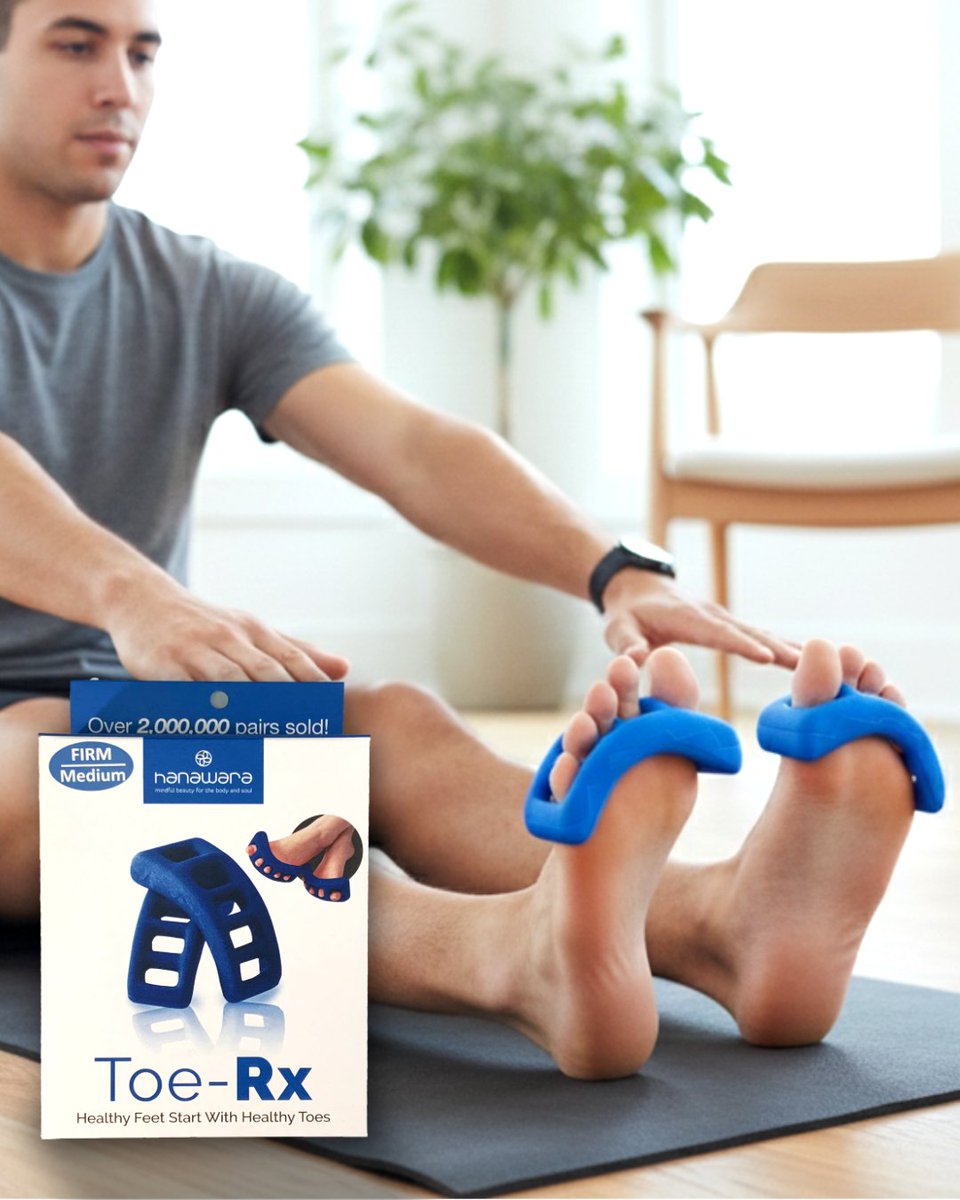
Runners using Toe-Rx after long runs often notice less arch soreness the next day and stronger, more stable feet over time. It's a simple, evidence-aligned tool to protect your foundation during heavy training blocks.
Don't let LSD fatigue derail your progress. Build unbreakable feet with Toe-Rx.
Reference:Shiotani, H., Yamashita, R., Mizokuchi, T., Naito, S., & Kawakami, Y. (2020). Acute effects of long-distance running on mechanical and morphological properties of the human plantar fascia. Scandinavian Journal of Medicine & Science in Sports, 30(8), 1360–1368. Full paper (open access):
These statements have not been evaluated by the FDA. This product is not intended to diagnose, treat, cure, or prevent any disease.

