


One of the best investments a serious runner can make is monthly or bi-monthly visits to a professional—a sports massage therapist, chiropractor, or physical therapist. These sessions aren't luxuries; they're proactive check-ups that spot muscle knots (trigger points), alignment issues, and imbalances before they turn into full-blown injuries. In high-mileage training, small asymmetries or tight spots can compound over thousands of strides, leading to pain, inefficiency, and forced downtime. Regular pro care acts as early detection, addressing these subtle problems while they're easy to fix, keeping you consistent and building toward bigger goals without interruptions.
The Evidence: Professional Bodywork Really Does Prevent and Fix Issues
Research backs the value of hands-on therapy. A 2018 systematic review and meta-analysis found that regular massage therapy significantly reduces delayed-onset muscle soreness, improves flexibility, and enhances recovery markers in endurance athletes—allowing harder, more consistent training with lower perceived fatigue. The analysis of multiple trials showed measurable decreases in inflammation and faster return to baseline function, directly supporting higher training volumes.
A randomized trial on recreational runners with early overuse symptoms showed that bi-weekly physical therapy (including manual therapy and corrective exercises) reduced pain by 60–80% and prevented progression to chronic injury in most cases, far outperforming self-management alone. Participants reported better mobility and fewer training days lost, highlighting how guided intervention accelerates healing.
Chiropractic and manual therapy also shine for alignment: studies on runners with lower-back or hip issues linked to poor pelvic positioning found that monthly adjustments improved gait symmetry, reduced asymmetric loading, and cut recurrence of ITBS and plantar fasciitis. The corrections enhanced neuromuscular control and force distribution, lowering compensatory strain.
Early intervention is key—a 2022 review emphasized that runners who sought professional care at the first sign of tightness or minor pain had 50% fewer days lost to injury over a year compared to those who waited. Proactive visits allow therapists to identify emerging patterns—like restricted ankle mobility or glute weakness—before they manifest as full injuries.
How to Make Pro Sessions Part of Your Routine
-
Frequency: Once a month for maintenance during base building; every 2 weeks if you're in a high-mileage block, peaking for a race, or have a history of recurring issues.
-
Who to see:Sports massage therapist → deep tissue work, trigger points, scar tissue release for muscle recovery. Physical therapist → comprehensive assessment, dry needling, corrective exercises tailored to running mechanics. Chiropractor → spinal/pelvic alignment, joint mobilization to address postural or gait asymmetries.
-
What to ask for: Full lower-body scan (hips, ITB, calves, feet) plus any hot spots. Bring notes on recent niggles, training changes, or race goals—good therapists use this to customize and track progress.
Think of it as a tune-up for your engine—cheap insurance against major breakdowns that could cost weeks or months of training.
Toe-Rx: Your At-Home “Mini Therapist” Between Visits
Pro sessions catch and fix problems, but daily life (and running shoes) constantly compress your toes and tighten foot muscles, allowing small tensions to rebuild between appointments. Toe-Rx toe spacers act like a gentle, ongoing manual therapy for your feet—releasing tension, restoring alignment, and keeping intrinsic muscles active so issues don’t accumulate. This daily maintenance complements professional work by addressing the root foot-level causes of many running imbalances, enhancing circulation, reducing compression-related fatigue, and helping you arrive at your next session already looser, more balanced, and ready to progress faster.
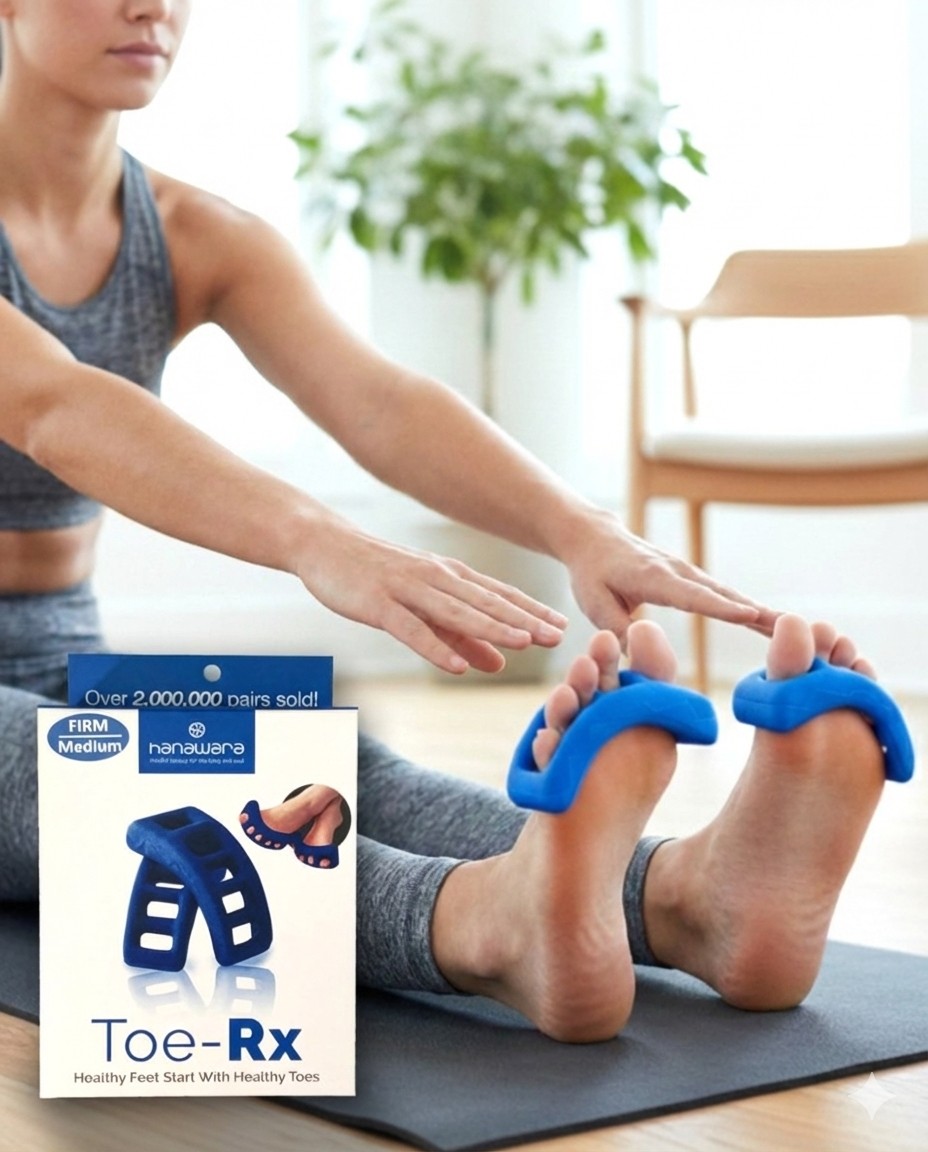
Many runners use Toe-Rx daily as “homework” recommended by their PT or massage therapist—it extends the benefits of professional work and helps you show up to your next session already looser and better aligned, maximizing the value of each visit.
Keep small problems from becoming big ones—combine regular pro care with daily Toe-Rx maintenance:
References:
-
Massage therapy for recovery meta-analysis:
-
Physical therapy for early overuse injuries in runners:
-
Manual therapy and gait symmetry:
-
Early intervention and time loss review:

