


Morton’s neuroma can feel like stepping on a pebble with every stride, turning runs, walks, or even standing into a painful challenge. This nerve-related foot condition causes sharp, burning pain in the ball of your foot, often disrupting active lifestyles and daily comfort. Toe-Rx, a Japanese-crafted toe stretcher, supports foot health to help you move with greater comfort by promoting toe alignment and reducing compression.* Whether you’re a runner chasing miles, a professional in dress shoes, or an active adult enjoying hobbies, here’s how to manage Morton’s neuroma and keep your feet happy—backed by research showing conservative approaches like footwear changes and toe spacing can alleviate symptoms and improve function for many sufferers.
What Is Morton’s Neuroma?
Morton’s neuroma is a thickening of the nerve tissue between your toes, usually near the third and fourth toes (third intermetatarsal space), acting like a pinched electrical wire in your foot. It causes sharp, burning pain or tingling in the ball of your foot, a sensation like walking on a marble or fold in your sock, numbness or discomfort that worsens with activity or tight shoes, and stiffness limiting foot mobility during walks or runs. This condition can make everything from jogging a 5K to standing at a desk feel agonizing, with symptoms often radiating to the toes and intensifying after prolonged weight-bearing or in restrictive footwear. While typically benign, untreated progression can lead to chronic pain and altered gait patterns.
What Causes Morton’s Neuroma?
Several factors can irritate the nerve in your foot, often combining to create compression and inflammation:
-
Tight Shoes: Narrow toe boxes or high heels cram toes together, pinching the nerve and restricting natural splay—common in fashionable or performance footwear.
-
High-Impact Activities: Running, jumping, or sports with repetitive forefoot loading stress the intermetatarsal space.
-
Foot Mechanics: Flat feet, high arches, or excessive pronation increase nerve pressure during gait cycles.
-
Repetitive Stress: Prolonged standing or walking in unsupportive shoes aggravates the nerve over time.
-
Age and Gender: More common in women (due to footwear patterns) and adults over 40, with hormonal or tissue changes contributing.
These triggers can lead to persistent pain, slowing down runners, professionals, or anyone on their feet, with studies identifying footwear as a primary modifiable risk factor.
Why Morton’s Neuroma Matters
Morton’s neuroma isn’t just forefoot pain—it disrupts your life in ways that build gradually:
-
Painful steps: Sidlining runs or daily errands with burning or shooting sensations that intensify with weight-bearing.
-
Difficulty wearing favorite shoes: Especially tight ones, limiting choices and adding frustration to dressing or activity.
-
Altered gait: Stressing knees or hips from compensatory movements that shift load unnaturally.
-
Reduced activity: Limiting workouts, social outings, or work productivity due to discomfort or numbness.
Prevalence estimates range from 30–33% in those with forefoot pain, with higher rates in women and middle-aged adults. Longitudinal data shows untreated cases can progress to chronic neuropathy, reducing quality of life and activity levels.
How to Manage Nerve Pain
Toe-Rx is a great start, but a full approach keeps you moving comfortably with layered conservative strategies:
-
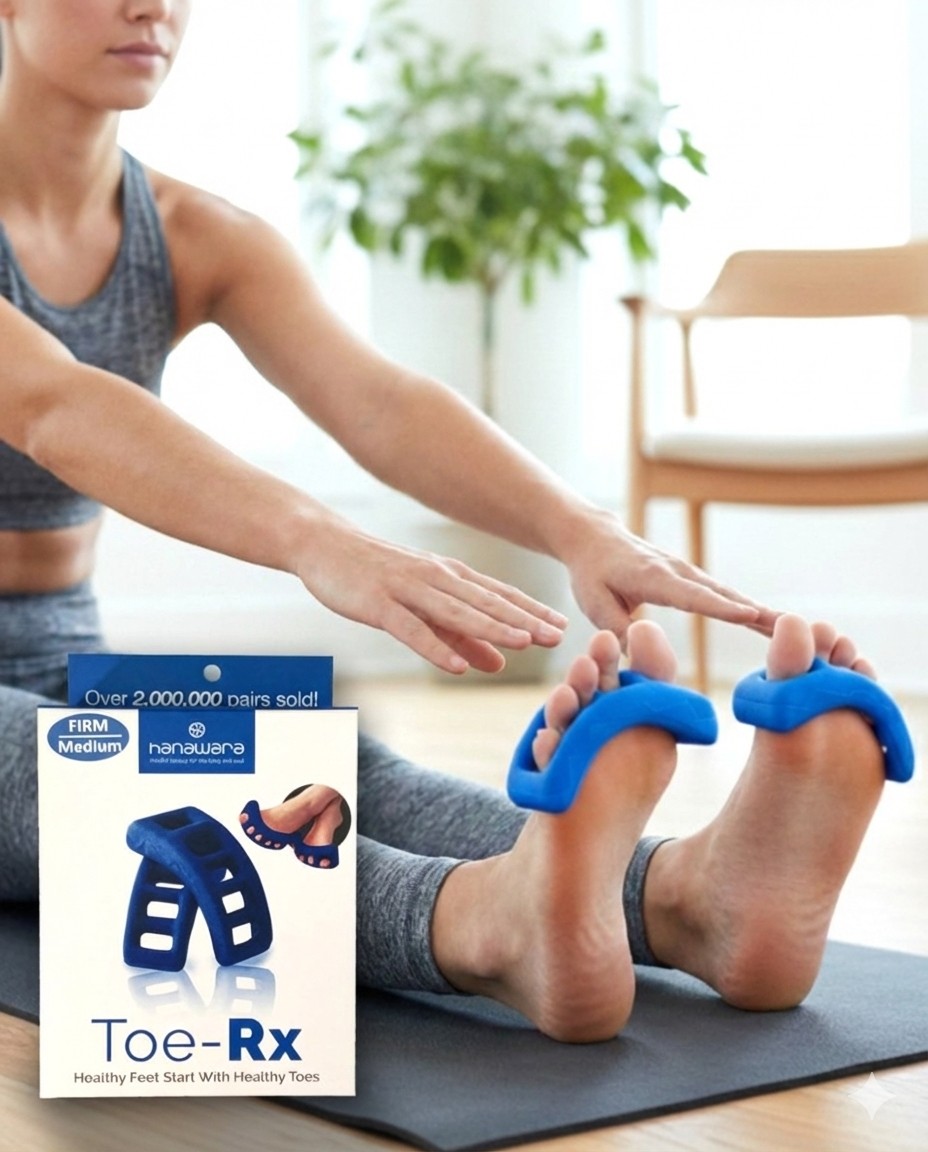
Use Toe-Rx Daily: Stretch for 5–10 minutes to support foot flexibility and alignment.
-
Choose Wide Shoes: Pick footwear with roomy toe boxes and cushioned soles to reduce nerve compression.
-
Try Foot Exercises: Massage the ball of your foot with a lacrosse ball or practice toe spreads to ease tension and build strength.
-
Rest and Ice: Cool the forefoot after activity to reduce inflammation and numb pain.
-
See a Pro: Consult a podiatrist for persistent pain—they can assess severity and recommend orthotics or injections if needed.
Discover Toe-Rx: Your Partner for Forefoot Comfort
While Toe-Rx isn’t a cure for Morton’s neuroma, it promotes foot health to ease discomfort by addressing toe compression and nerve pressure factors.* Crafted with 30 years of Japanese expertise, this toe stretcher (soft red or hard blue options) fits all foot sizes and works in just 5–10 minutes daily to support toe flexibility, promote alignment, strengthen muscles, and enhance circulation.* Trusted by Japanese athletes like cyclists and soccer players, Toe-Rx’s durable, water-resistant design is perfect for morning stretches or evening relaxation—even in the bath.
Step Pain-Free with Toe-Rx Morton’s neuroma doesn’t have to stop your active life. With Toe-Rx, you can support your feet to move better and feel great.* Whether you’re running a marathon, working long hours, or staying active, healthier feet mean happier steps. Ready to ease nerve pain? Visit
to grab your Toe-Rx and rediscover comfort.
Struggling with forefoot pain or discomfort? Share your story in the comments—we’d love to connect!
Explore Toe-Rx:
References:
-
Global prevalence and risk factors for Morton's neuroma:
-
Conservative treatments including toe spacers for Morton's neuroma:
-
Systematic review of non-surgical interventions for Morton's neuroma:
These statements have not been evaluated by the FDA. This product is not intended to diagnose, treat, cure, or prevent any disease.

